
Advert
Wildfire Smoke Increasing At Schools And Childcare Centers Nationwide
TUESDAY, Nov. 3, 2026 (HealthDay News) — Kids across the U.S. are facing more days of wildfire smoke at school.
And some buildings are failing to keep potentially dangerous pollution out, according to a new study.
"We found that the buildings where children spend much of their day do not consistently protect them from air pollution," said study author Stephanie Foster of Samaritan Health Services' Research Development Office in Corvallis, Oregon.
"But educational facilities are places where coordinated preparedness plans, air filtration, indoor air quality monitoring and changes to activities during smoke events could reduce exposure," she added in a news release.
Researchers analyzed air quality data from more than 100,000 schools and 130,000 childcare centers nationwide.
They found the average number of school days with wildfire smoke in the surrounding air rose from about seven a year in 2006 to 54 in 2023. At childcare centers, the annual average climbed from about nine to 112 days.
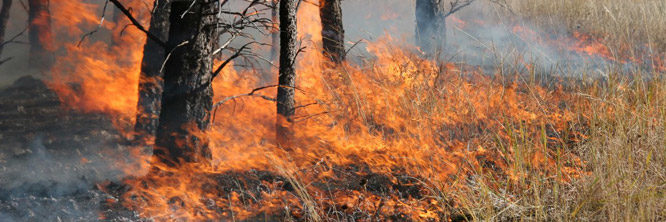
Wildfire smoke can travel thousands of miles, carrying fine particles called PM2.5 that can penetrate deep into the lungs and enter the bloodstream. And being indoors doesn't always guarantee protection.
The study also compared indoor and outdoor air quality at 71 West Coast schools and childcare centers.
"Some schools had higher indoor PM2.5 concentrations than nearby outdoor measurements during smoke days," said coauthor Molly Kile, an environmental epidemiologist at Oregon State University in Corvallis.
The authors said improved ventilation and portable HEPA filters could help reduce children's exposure.
The study appears in the Dec. 1 issue of the journal Environmental Research.
More information
The U.S. Centers for Disease Control and Prevention has more on air pollution.
SOURCE: HealthDay TV, Nov. 3, 2026
Date Published: 11/3/2026 9:05:02 AM
Related Articles

Search Allergy Articles
How to Tell if Spring Symptoms Owe to Allergy, Cold or Something More Serious
Misconceptions Over Preventing Peanut Allergy Persist Among Parents, Study Shows
Pediatric Allergy Specialist: Feed Babies Allergenic Foods Earlier, Not Later
What's Living On Baby's Skin Might Predict Childhood Eczema Risk
Wildfire Smoke Puts Millions At Risk Across Midwest, Northeast
Asthma More Common Among Kids Whose Moms Have Eating Disorders
Racial Gap Exists For Asthma Inhaler Use
Vaping Family Members Raise Kids' Asthma Risks
Severe Asthma Often Comes With Other Serious Health Problems